




Concierge Insurance.
From Start to Claim™
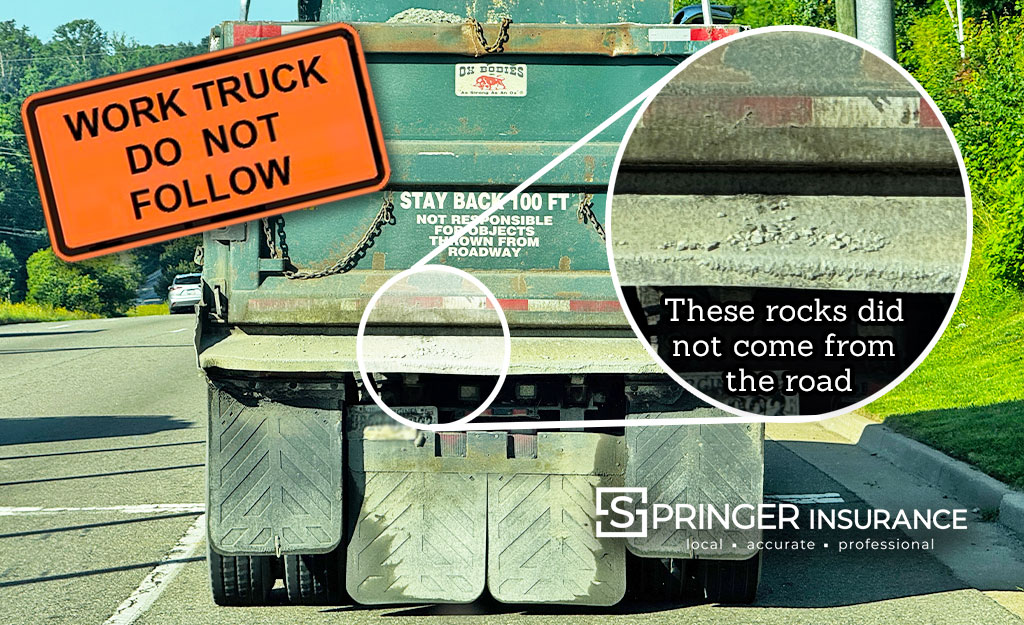
Commercial auto insurance covers injuries that you or your employees may cause to other people and their property while driving.
Commercial auto insurance helps protect businesses that own, lease, or use vehicles for business purposes. It provides financial protection if a company vehicle is involved in an accident, stolen, vandalized, or damaged by a covered event. A commercial auto policy can also provide liability protection if your business is legally responsible for injuries or property damage caused by one of its vehicles.
Whether your business operates a single pickup truck or an entire fleet of vehicles, commercial auto insurance is an essential part of protecting your business assets.
A commercial auto insurance policy may include liability coverage, collision coverage, comprehensive coverage, uninsured and underinsured motorist protection, medical payments, towing, rental reimbursement, and physical damage coverage for your vehicles. Optional endorsements are also available to customize your policy based on your business operations.
The exact coverages depend on the insurance company, the vehicles being insured, and the needs of your business.
Any business that owns, leases, or regularly uses vehicles for work should consider commercial auto insurance. Contractors, electricians, plumbers, landscapers, delivery companies, real estate professionals, consultants, sales representatives, restaurants, manufacturers, and many other businesses rely on commercial auto coverage to protect their operations.
Even businesses with just one company vehicle may face significant financial exposure without the proper insurance.
Personal auto insurance is designed for vehicles used primarily for personal transportation, while commercial auto insurance is intended for vehicles used in business operations. Commercial policies often provide higher liability limits, broader coverage options, and protection for employees driving company vehicles.
If you regularly use a vehicle for business purposes, relying solely on a personal auto insurance policy may leave important coverage gaps.
Yes. Commercial auto insurance generally provides coverage for employees who are authorized to drive company-owned vehicles, subject to the terms and conditions of the policy. Insurance companies may review employees' driving records when determining eligibility and premiums.
Establishing a driver safety program and regularly reviewing motor vehicle records can help reduce your business's risk.
Hired and non-owned auto insurance provides liability protection when your business rents, leases, or uses vehicles that it does not own. It may also provide coverage when employees use their personal vehicles for business purposes, such as making deliveries or visiting clients.
This important coverage is often added to a Business Owners Policy or commercial auto policy to help fill potential coverage gaps.
Insurance companies consider several factors when calculating your premium, including the type and value of your vehicles, business operations, driving history, number of drivers, annual mileage, location, claims history, vehicle usage, and selected coverage limits.
Hiring experienced drivers, maintaining your vehicles, and implementing fleet safety programs may help reduce your insurance costs.
Not always. While commercial auto insurance covers the vehicle itself, tools, equipment, and materials carried inside the vehicle may require additional coverage such as inland marine insurance or a contractor's equipment policy.
If your business regularly transports valuable equipment, it's important to discuss those exposures with your insurance agent.
The amount of liability insurance your business needs depends on the size of your company, the vehicles you operate, contractual requirements, and your overall risk exposure. Many businesses choose liability limits higher than the state minimum to better protect their assets from potentially costly lawsuits.
Your insurance agent can help determine the appropriate liability limits based on your business operations and financial goals.
You should review your commercial auto insurance policy at least once each year and whenever your business changes. Purchasing additional vehicles, hiring new drivers, expanding your service area, changing business operations, or increasing the value of your fleet may all affect your insurance needs.
An annual insurance review helps ensure your vehicles remain properly insured while identifying opportunities for additional protection and available premium discounts.