




Originally from Chubb Insurance
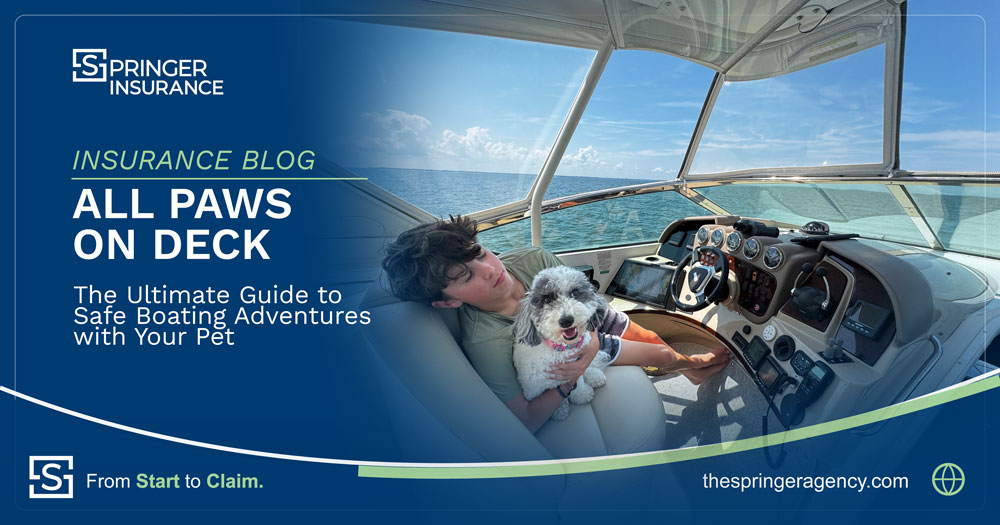
Dogs make really good companions for a cruise!
Nicholas Springer
Pet Boating Safety: A Guide for Dogs and Cats on the Water
There’s nothing quite like the sight of your dog’s ears flapping in the salty breeze as they play “captain” at the bow, or your cat surveying the waves from the helm, convinced they’re the true master of the sea. But remember: the water world can be full of surprises for our furry crew. A little common sense and planning can make sure the trip ends with wagging tails and contented purrs.
Here’s your guide to smooth sailing with your four-legged first mates. Be sure to download our Pet Boating Safety Master Checklist to ensure every adventure is safe, fun, and worry-free.
Dogs vs. Cats: Who Makes the Better Boat Buddy?
Dogs
Most pups are instant fans of boating—sometimes a little too enthusiastic! That seagull or fish might be irresistible, so basic obedience commands such as sit, stay, and come are a must.
In rough water, keep your dog safely tethered in the cockpit with a short lead clipped to their life jacket (never their collar). And don’t forget: bathroom breaks require planning!
Cats
Cats are the philosophers of the boat—cool, calm, and collected... until a sudden bump or noise sends them scurrying.
During active sailing or rough weather, cats are safest below deck. On calm waters, a harness and leash (never just a collar) make for safe, supervised deck adventures. Always check portlights and windows before departure—an open window can be an irresistible invitation for feline explorers.
Before You Cast Off: Preparing Your Pet for Boating
Visit Your Veterinarian
Schedule a vet visit before your first voyage. Make sure vaccinations are up to date, ask about leptospirosis protection for dogs visiting marinas, and ensure flea and tick prevention is current. Discuss motion sickness treatments if your pet has never been on a boat.
Know Your Pet’s Abilities
Not every dog is a natural sea dog. Breeds such as Bulldogs, Pugs, and French Bulldogs are not built for swimming and should stick to shorter excursions.
Most domestic cats avoid water, but some breeds are more adventurous around it, including:
- Turkish Van
- Bengal
- Maine Coon
- Savannah
- Japanese Bobtail
Be Patient
Many dogs and cats learn to love life on the water, but it takes time. Let them adjust to the boat and surroundings at their own pace.
Looking for peace of mind for your boat? Check out our coverage options for boats and yachts.
Acclimating Your Pet Before Departure
The biggest mistake boat owners make is rushing an unprepared pet onto a moving boat and expecting instant happiness. Comfort on the water may take several outings, especially for cats.
Patience pays off in years of smooth sailing.
Start Slow
- Let your pet explore the boat before leaving the dock.
- Reward good behavior with treats and praise.
- Take short trips in calm water before venturing farther offshore.
Pet Boating Safety: The Non-Negotiables
Life Jackets
Not all pets can swim, and even strong swimmers can become exhausted, disoriented, or panicked after falling overboard.
A properly fitted pet life jacket with a sturdy grab handle is essential. The grab handle allows you to lift your pet safely back aboard without injury to either of you.
Look for:
- A sturdy grab handle
- Bright colors for visibility
- A snug fit that allows two fingers underneath
- No shifting when lifted
Deck Safety
Inspect your boat for potential pet hazards before departure.
- Install marine netting where needed.
- Secure open portholes and gaps in lifelines.
- Add non-slip mats to slippery deck surfaces.
- Consider a pet boarding ladder on the swim platform.
Heat and Hydration
Boat decks can become dangerously hot. Always provide shade and fresh drinking water.
Dogs may drink seawater when thirsty, which can quickly lead to dehydration and illness.
Watch the Weather
Avoid rough conditions whenever possible. If weather deteriorates, move pets to a safe, central area below deck or into a secured crate where motion is minimized.
Docking and Anchoring
During docking, rafting up, or anchoring, secure pets with a leash or harness or keep them in a designated safe area. Boat movement can easily cause slips or unexpected falls overboard.
Other Hazards to Watch For
Fishing Gear
Fishing hooks, lures, and bait can be irresistible—and dangerous—to curious pets.
- Store fishing equipment safely.
- Keep pets away from freshly caught fish.
- Watch for sharp bones, spines, and hooks.
Boat Chemicals
Fuel, lubricants, cleaners, and antifouling paints should always be stored securely out of reach.
If you notice discolored water, fuel sheen, or unusual odors around the marina, keep pets away from the area.
Build a Pet Emergency Kit
Every boat should carry a pet-specific first-aid kit that includes:
- Gauze and bandages
- Wound wash
- Thermometer
- Tweezers
- Muzzle
- Prescription medications
- Emergency contact information
Know the location of the nearest emergency veterinary clinic before leaving the dock. Keep digital copies of vaccination records and ensure your pet's microchip information is current.
Final Boarding Call
The best boating experiences come from preparation and patience. Equip your dog or cat with the proper gear, introduce them to the boat gradually, and stay aware of potential hazards.
Then sit back, enjoy the sunshine, scratch your dog behind the ears, and let your cat supervise the anchor drop like the seasoned captain they believe they are.