




Concierge Insurance.
From Start to Claim™
We offer extensive coverage options that may be available to give you peace of mind when you're on the road. Customize your policy to get the coverage that fits your life.
Virginia law requires drivers to carry minimum liability insurance before operating a vehicle on public roads. As of July 1, 2025, the minimum liability limits are $50,000 for bodily injury per person, $100,000 for bodily injury per accident, and $25,000 for property damage per accident. Virginia also requires uninsured and underinsured motorist coverage in the same amounts unless otherwise permitted by law.
While these limits satisfy the state's legal requirements, many drivers choose higher limits to better protect their assets after a serious accident.
A Virginia auto insurance policy may include liability coverage, collision coverage, comprehensive coverage, uninsured and underinsured motorist protection, medical expense coverage, rental reimbursement, roadside assistance, and towing coverage. The exact protections depend on the policy you choose.
Drivers who finance or lease their vehicles are usually required by their lender to carry both collision and comprehensive coverage.
Virginia is an at-fault, or tort, state. This means the driver who causes an accident is generally responsible for paying for the damages resulting from the collision. If another driver is at fault, their liability insurance typically pays for injuries and property damage up to the limits of their policy.
Having adequate liability limits can help protect your finances if you're found responsible for a serious accident.
Insurance companies consider many factors when calculating your premium, including your driving history, age, location, type of vehicle, annual mileage, credit-based insurance score where permitted, claims history, coverage limits, and deductible selections.
Maintaining a clean driving record, bundling policies, and choosing an appropriate deductible can often help lower your premium.
In many cases, your existing auto insurance policy extends liability, collision, and comprehensive coverage to a temporary rental vehicle used for personal purposes. However, coverage varies depending on your policy and the type of vehicle being rented.
Before declining coverage offered by a rental car company, it's a good idea to review your policy with your insurance agent.
For many drivers, carrying only Virginia's minimum liability limits may not provide enough financial protection. Medical expenses, vehicle repairs, and legal judgments can quickly exceed minimum coverage after a serious accident.
Higher liability limits are often relatively affordable and can help protect your savings, home, future earnings, and other assets.
Uninsured and underinsured motorist coverage helps protect you if you're injured by a driver who has no insurance or not enough insurance to pay for your damages. This coverage may also help pay for injuries suffered by passengers in your vehicle.
Because not every driver carries adequate insurance, this coverage provides valuable financial protection for Virginia motorists.
It depends. Insurance companies evaluate several factors, including who was at fault, the severity of the accident, previous claims, and your overall driving history. Not every accident results in a premium increase.
Many insurers also offer accident forgiveness programs that may prevent your first qualifying accident from affecting your premium.
Many insurance companies offer discounts for bundling home and auto insurance, maintaining a safe driving record, insuring multiple vehicles, completing approved defensive driving courses, having anti-theft devices, paying your premium in full, or enrolling in paperless billing.
Each insurance company offers different discounts, so comparing multiple carriers can help you find the best value.
It's a good idea to review your auto insurance at least once each year and whenever you experience a major life event. Purchasing a new vehicle, adding a teenage driver, moving to a new address, getting married, or changing your commute can all affect your insurance needs.
A yearly insurance review can help ensure you're receiving all available discounts and carrying the right amount of protection for your current situation.
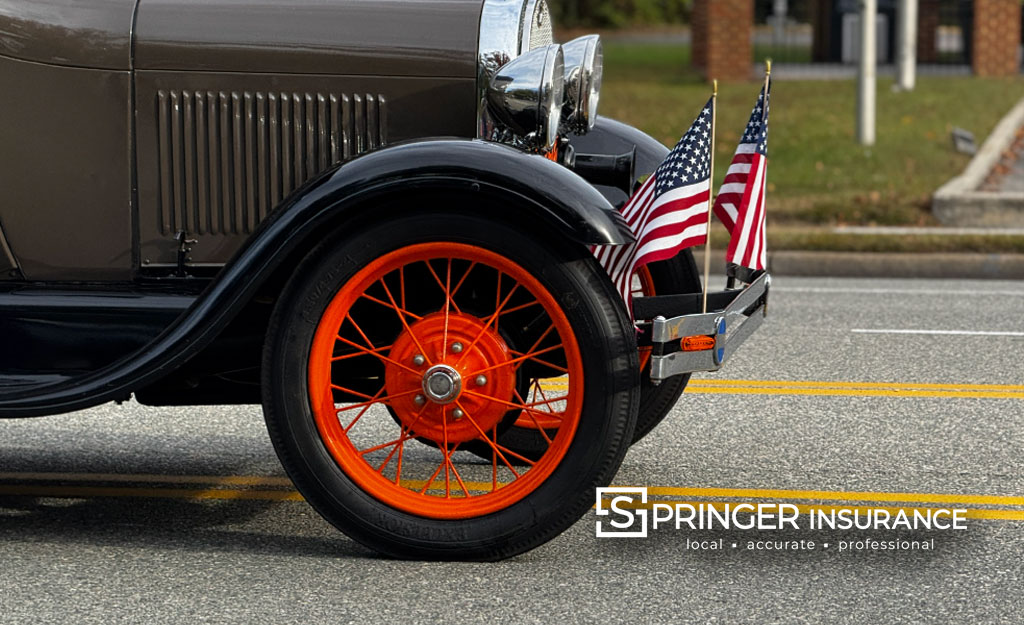
Car insurance is very customizable - mainly because there are so many types of vehicles. Old, New, Fast, Slow, Truck, Sedan - so many types and they can all be covered under one policy!
When thinking about the coverage for your car, it starts with what would happen if the car was not there any more. Could you buy a replacement vehicle today?
If you can not afford to repair or replace your vehicle today, then you may need Comprehensive and Collision - commonly (yet incorrectly) called Full Coverage.
For 99% of the vehicles we insure, we do not need to worry about the cost of the vehicle because it doesn't matter. If the car/truck is damaged or destroyed, the company has to make you whole again. This means that they need to fix it or replace it with the same year make and model that you had -within reason and minus any applicable deductible.
Liability is a whole other subject. This is you thinking to the future to protect yourself against any possible lawsuit that may be brought upon you after you damage something or someone.
Our recommendation is do not take state minimums - in fact, we start every quote at TEN times that number and then adjust each policy to meet that specific clients needs. About 1/5 of our clients even go so far as going over $1million!