


Concierge Insurance.
From Start to Claim™
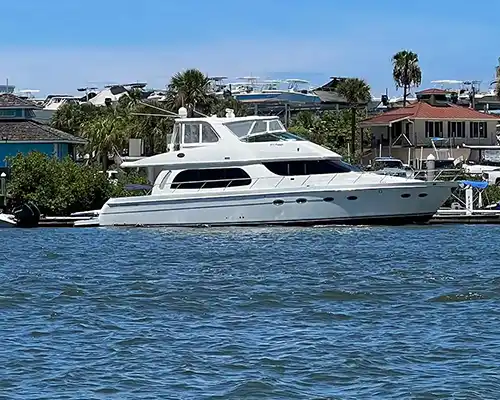
BIG boats need bigger coverage. Yacht policies are specifically designed for larger vessels.
Yacht insurance helps protect your vessel from a wide variety of risks, including physical damage, theft, vandalism, fire, lightning, collisions, and certain weather-related losses. Most yacht insurance policies also include liability coverage if you're responsible for causing injury to another person or damage to someone else's property while operating your boat.
Many policies can also be customized with additional coverages such as towing, fuel spill liability, wreck removal, personal effects, fishing equipment, and uninsured boater protection.
While there is no universal definition, insurance companies generally consider larger, higher-value, or more complex vessels to be yachts rather than boats. Yacht insurance policies often provide broader coverage options, higher liability limits, agreed value coverage, navigation area options, and specialized claims handling designed for larger vessels.
If you own a cruising yacht, sportfish, motor yacht, sailing yacht, or luxury vessel, a yacht policy may offer better protection than a standard recreational boat insurance policy.
Agreed value coverage means you and the insurance company agree on your yacht's value when the policy is issued. If your yacht is declared a total loss due to a covered claim, the insurer generally pays the agreed value stated in the policy rather than reducing the payment for depreciation.
This type of coverage provides greater certainty and is often preferred for well-maintained, higher-value, and custom yachts.
Many yacht insurance policies provide coverage for hurricane and named storm damage, although special deductibles, navigation restrictions, or storm preparation requirements may apply. Some insurers require vessels to be hauled out, relocated, or secured according to a written hurricane plan before a storm arrives.
Understanding your policy's named storm provisions can help avoid unexpected surprises if severe weather affects your area.
Yes. Yacht insurance typically includes liability coverage if you're legally responsible for bodily injury or property damage resulting from the operation or ownership of your vessel. Liability coverage may also help pay legal defense costs if you're sued following a covered accident.
Many yacht owners choose higher liability limits or purchase an umbrella liability policy to provide additional financial protection.
Many yacht insurance policies include coverage for salvage expenses and wreck removal when required after a covered loss. Salvage operations can become extremely expensive, especially for larger yachts or vessels located in environmentally sensitive waterways.
Having adequate salvage and wreck removal coverage can prevent significant out-of-pocket expenses following a serious accident.
Most yacht insurance policies define a navigation territory that specifies where your vessel is covered. Many policies include the Chesapeake Bay, the U.S. East Coast, inland lakes, and portions of the Atlantic Ocean, while some allow seasonal cruising to destinations such as Florida or the Bahamas.
If you plan to travel outside your policy's navigation limits, you should contact your insurance company beforehand to confirm your coverage remains in effect.
Several factors influence your premium, including the yacht's value, age, length, construction, horsepower, cruising area, storage location, claims history, boating experience, safety equipment, and the coverages you select.
Completing approved boating safety courses and maintaining your vessel in excellent condition may also help qualify you for premium discounts with some insurance companies.
Many yacht insurance policies provide limited coverage for personal belongings kept aboard the vessel, including clothing, electronics, navigation equipment, safety gear, fishing equipment, and water sports equipment. Coverage limits vary by policy and insurer.
If you regularly carry valuable personal property onboard, your insurance agent can help determine whether additional coverage is appropriate.
You should review your yacht insurance at least once each year and whenever you make significant changes to your vessel. Major upgrades, new electronics, engine replacements, renovations, changes to your cruising plans, or increases in your yacht's value can all affect your insurance needs.
An annual policy review helps ensure your yacht remains properly insured and that your coverage continues to match your boating lifestyle and investment.