





Concierge Insurance.
From Start to Claim™
Whether you are running heavy in the middle of winter or have a light load on a breezy summer day, your drivers and vehicles are always on the go. Let us keep you moving with insurance expertise to protect your business and fast access to COIs and filings.

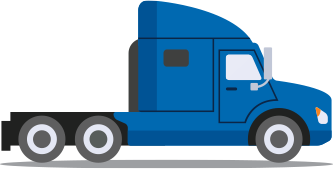
Whether you are an owner operator, private carrier or something in between we provide the coverages you need-from state and federal filings to trailer interchange. Our specialized heavy truck claims service and rental reimbursement with downtime will protect you from the unexpected.
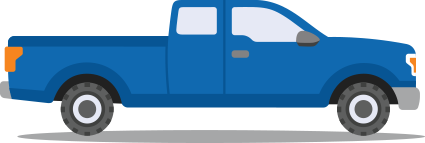
We insure a wide variety of pickup trucks-from standard beds to heavy duty pickups with an industrial hitch. The ease of use of a pickup is perfect for on the go workers. They provide both passenger space and excellent hauling capabilities. We'll insure the cargo you're hauling too.
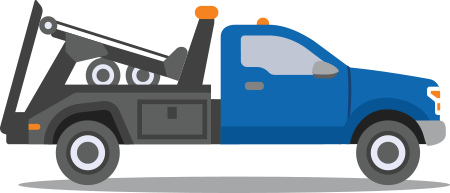
These are also called flatbeds, car carriers or anything else used to tow a vehicle. Flatbeds and car carriers are very similar; however, car carriers have a hydraulic lift that tilts the bed down, whereas flatbeds stay stationary. Adding additional coverages like Garagekeeper's legal liability and on-hook provide coverage for the vehicles you are hauling.
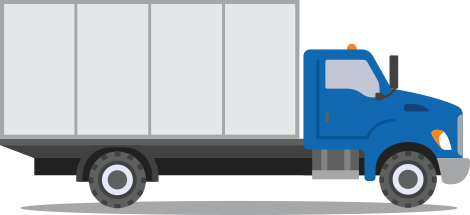
Box trucks, also known as straight trucks, are most commonly used to haul furniture and appliances. Typically drivers do not need a commercial driver's license (CDL) to drive a box truck because they are used more for local routes and the light weight of the vehicle.
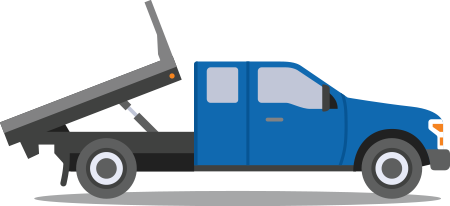
We cover specialty trucking such as dump trucks for dirt, sand, and gravel hauling and stake body trucks for logging. Dump trucks are structured differently than most trucks. They can withstand off road and construction site use however if loaded incorrectly can become a safety hazard and tip over.
Below are more common commercial trucks that Progressive Commercial currently insures:
Commercial trucking insurance is designed to protect businesses and owner-operators who transport goods for hire or as part of their business operations. A trucking insurance policy can provide protection for your truck, trailer, cargo, and liability if you're involved in an accident while operating a commercial vehicle.
Whether you own one truck or manage an entire fleet, having the right trucking insurance is essential for protecting your business, meeting regulatory requirements, and keeping your vehicles on the road.
Commercial trucking insurance can include auto liability, physical damage coverage, motor truck cargo insurance, trailer interchange coverage, non-trucking liability, bobtail insurance, uninsured and underinsured motorist coverage, medical payments, and general liability. Additional coverages may also be available depending on the type of freight you haul and your business operations.
Your insurance agent can customize a policy to meet the specific needs of your trucking business.
Commercial trucking insurance is appropriate for owner-operators, independent truck drivers, motor carriers, private carriers, freight haulers, hot shot trucking companies, dump truck operators, flatbed haulers, refrigerated trucking businesses, and companies that own commercial trucks used in their daily operations.
If your business owns or operates commercial trucks, proper insurance coverage is an important part of managing your financial risk.
Yes. Most commercial trucking operations are required to carry liability insurance that meets both state and federal requirements. The amount of required coverage depends on factors such as the type of cargo being transported, vehicle weight, operating authority, and whether the truck travels across state lines.
Your insurance agent can help ensure your policy meets applicable regulatory and contractual insurance requirements.
Motor truck cargo insurance helps protect the freight you're transporting if it is damaged, destroyed, or stolen due to a covered loss. Many shippers and freight brokers require carriers to maintain cargo insurance before awarding loads.
The amount of cargo coverage you need depends on the type and value of the freight you haul.
Bobtail insurance generally provides liability coverage when a truck is being operated without a trailer attached, while non-trucking liability insurance typically provides protection when the truck is being driven for personal, non-business purposes. Although the terms are sometimes used interchangeably, they serve different purposes and coverage varies by policy.
An experienced trucking insurance agent can help determine which coverage is appropriate for your operation.
Insurance companies consider many factors when calculating trucking insurance premiums, including driver experience, driving records, years in business, vehicle type, radius of operation, cargo hauled, annual mileage, operating authority, claims history, and selected coverage limits.
Maintaining a strong safety record and hiring qualified drivers can often help reduce insurance costs over time.
Yes. Depending on your policy, trucking insurance can provide coverage for owned trailers, leased trailers, or trailers used under trailer interchange agreements. Physical damage coverage helps protect trailers from covered losses such as collisions, theft, fire, vandalism, and severe weather.
Your insurance agent can help ensure both your truck and trailer are properly insured.
Absolutely. Owner-operators can purchase insurance that meets the requirements of motor carriers, freight brokers, and government regulations. Coverage may include primary liability, physical damage, cargo insurance, occupational accident insurance, bobtail coverage, and other protections tailored to independent truck drivers.
Every trucking operation is different, so it's important to choose coverage based on your contracts and business needs.
You should review your trucking insurance policy at least once each year and whenever your business changes. Purchasing additional trucks, hiring drivers, expanding your operating radius, hauling different types of cargo, or obtaining new contracts may all affect your insurance needs.
An annual insurance review helps ensure your trucking business remains properly protected while identifying opportunities for additional coverage and potential premium savings.